Integrating presbyopia screening and access to reading glasses into primary health care in Mauritania
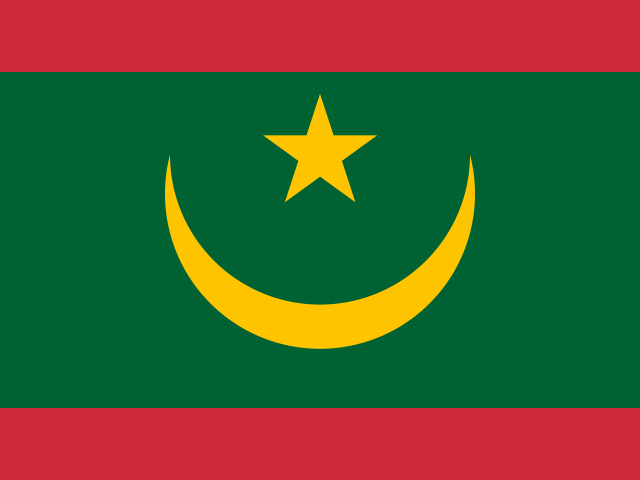
Ministry of Health of the Islamic Republic of Mauritania
Commitment Statement
Between 2026 and 2029, the Government of Mauritania commits to gradually integrate presbyopia screening and the provision of quality reading glasses into the essential primary health care package, in line with the National Eye Health Strategy 2026–2029 and WHO's SPECS 2030 initiative.
The intervention will prioritize targeting people aged 40 years and older who face the main barriers to accessing eye care, including women, older people, vulnerable populations, and workers whose daily activities require good near vision. The first phase will target primary and secondary school teachers in Nouakchott South, before a gradual expansion to Nouakchott North and Nouakchott West. Approximately 2600 teachers will be covered in the initial phase and nearly 6400 unique beneficiaries are expected to be reached across Nouakchott by the end of 2029.
The Ministry of Health will develop, adapt, and submit for validation of national protocols for presbyopia screening, pre-mounted reading glasses, quality assurance, referral, and referral of patients. Primary health care workers and other designated providers will be trained, supervised, and authorized to provide basic screening and eyeglass delivery within a regulated work-sharing framework.
Reading glasses will be gradually integrated into national lists of essential products and national procurement mechanisms. Indicators related to presbyopia screening, eyeglass dispensing and patient referral will also be integrated into DHIS2 to ensure regular monitoring of service coverage, quality and outcomes.
The Government will examine regulatory, fiscal and administrative barriers that may limit the availability and affordability of eyewear. It will also strengthen partnerships with pharmacies, opticians, educational institutions, employers and distributors, under the supervision and quality assurance of the Ministry of Health.
After a normative and regulatory preparation phase conducted between 2026 and the first half of 2027, operational deployment will begin in selected structures in Nouakchott South. The intervention will then be gradually extended to Nouakchott North in 2027–2028, and then to Nouakchott West in 2029. By the end of 2029, integrated presbyopia screening and management services should be operational throughout Nouakchott and supported by a sustainable mechanism for financing, procurement, supervision and monitoring.
WHO will provide technical support for the development and adaptation of policies and protocols, capacity-building, integration of indicators into the national health information system, quality monitoring and coordination of partners.
Details
- Organization type:
- Government / public sector
- Commitment timeframe:
- 2026–2029
- Geographic scope:
- Single country
- People reached:
- 6 400
- Financial contribution:
- US$ 500 000
- Is it a joint commitment?
- No
- Are there sub commitments?
- No
Expected outcomes
- By the end of the first half of 2027, protocols, clinical guidelines and quality standards for presbyopia screening, patient referral and the provision of reading glasses are developed, adapted to the national context and submitted to the Ministry of Health for validation.
- By the end of 2027, near vision screening and eyeglass delivery are integrated into selected primary health care facilities in Nouakchott South; relevant workers are trained and supervised; and monitoring indicators are integrated into DHIS2. Approximately 2600 primary and secondary school teachers are benefiting from the services in the first phase.
- By the end of 2029, integrated presbyopia screening and management services are gradually extended to all three wilayas of Nouakchott, reaching approximately 6400 unique beneficiary teachers. A sustainable mechanism for financing, provision of glasses, supervision and monitoring of results is established and operational.
Scope and Focus
Countries
Eye Health Priorities
No eye health priority areas specified.
Thematic Areas
No thematic areas specified.